Hello and welcome to the 3rd installment of my Q & A series, which is designed to cover some of the more elusive topics associated with the Social Security Disability claims process. In this post, I will discuss the term “medically determinable,” another one of those unique Social Security terms that people often have questions about.
Question:
I understand that in order to qualify for Social Security Disability benefits, my condition must be a medically determinable physical or mental impairment. Can you explain exactly what a medically determinable physical or mental impairment is?
My answer:
The terminology or “lingo” used by the Social Security Administration is often confusing. A medically determinable physical or mental impairment is an impairment that results from anatomical, physiological or psychological abnormalities which can be determined by medically acceptable clinical and laboratory diagnostic techniques. In essence, a physical or mental impairment must be substantiated by medical evidence consisting or signs, symptoms and laboratory findings. An applicant’s statement of symptoms alone is not enough to meet the requirements of a “medically determinable physical or mental impairment.” In a nutshell: There must be medical evidence that substantiates the symptoms experienced. For example, if you are experiencing debilitating migraine headaches, you need to have medical tests done in order to establish the root cause of the headaches. Your saying alone that you have migraine headaches is not enough.
I cannot over emphasize the need for specialized medical and mental related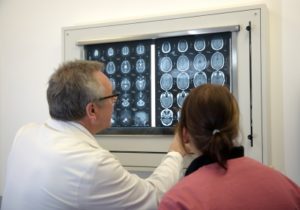 test(s) in determining an individual’s impairment. Although general physicians are skilled doctors and deserve all the accolades available, Social Security Disability applicants must seek, in addition to the opinions of a general physician, the opinions/diagnoses of specialists when making application for disability. These specialized opinions are critical in order for an applicant to be awarded disability. Let’s quickly take the above example of someone suffering from debilitating migraine headaches. In their case, it would be wise to seek the opinion of a headache specialist or neurologist while pursuing their claim. On my migraine headaches and disability website, I posted an entire article about the benefit of seeking specialized treatment while pursuing a disability claim, which can be accessed by clicking on the link.
I understand that most applicants are unable to shoulder the costs of seeing a specialist and that most government-assisted programs do not cover these types of costs. I encourage applicants to solicit the financial help of family members as well as explore other available means so that they are able to see a physician specializing in their medical condition.
 continuous period of not less than twelve months.”